The people who ask me this are usually buying furniture from another city for the first time. The unease is fair: you are starting a purchase worth a great deal of money by paying a deposit to a company in a town you have never seen.
I was born in İnegöl and grew up inside this trade, so I want to answer honestly and completely — not the answer that defends my own company, but the answer I would want to hear in your place.
First, the fear itself is overstated
What you find when you search for furniture scams online is not what the industry actually looks like.
Unless you are buying from a back-street operation that is open today and gone tomorrow, the chance of never reaching the furniture maker you paid a deposit to is close to nil. A company with a large store, staff, rent and a tax record does not vanish a month later. It will not give up what it has built for the margin on a single order.
So the real issue is not "İnegöl". The real issue is who you buy from.
Nobody writes about it, but the risk runs the other way too
This trade is always discussed in terms of the buyer's risk. In practice, most of the losses in our industry run in the opposite direction.
The customer pays a deposit, the piece is made, it is delivered — and the balance is never paid. Some stop answering the phone, some keep naming a new date. A colleague of mine delivered a set, was told the balance would come "soon", and then could not reach the customer for months; even the address turned out to be empty.
I am not telling this to complain about customers. I am telling it because it is the reason most furniture sellers ask for payment before the piece leaves for delivery. From the buyer's side that rule often looks odd, even like a sign of distrust. It is not; it is the result of what has actually happened.
Both sides carry risk. That is exactly why trust has to rest on something more solid than goodwill.
What to look at as a buyer
1. A reference
The strongest signal in this trade is still being able to name someone who genuinely bought from that company.
2. Where the store is
Getting into a reputable furniture mall is harder than it looks. Those centres choose their tenants, the rent is heavy, and a company with a bad record does not last long. A company that has held the same spot for years is a reference in itself.
3. An open company name
Who issues the invoice, what the tax number is, whether it appears in the trade registry. Stay away from a company that hesitates to tell you.
4. A written order form
What you bought, in which dimensions, in which fabric, when it will be delivered, and the cancellation terms — all in writing. A furniture order agreed verbally turns into a dispute later, even when both sides mean well.
5. Complaint history
What matters is not the absence of complaints but how they were answered. A company with no complaints at all is either very small or has cleaned its record.
What we have on our side
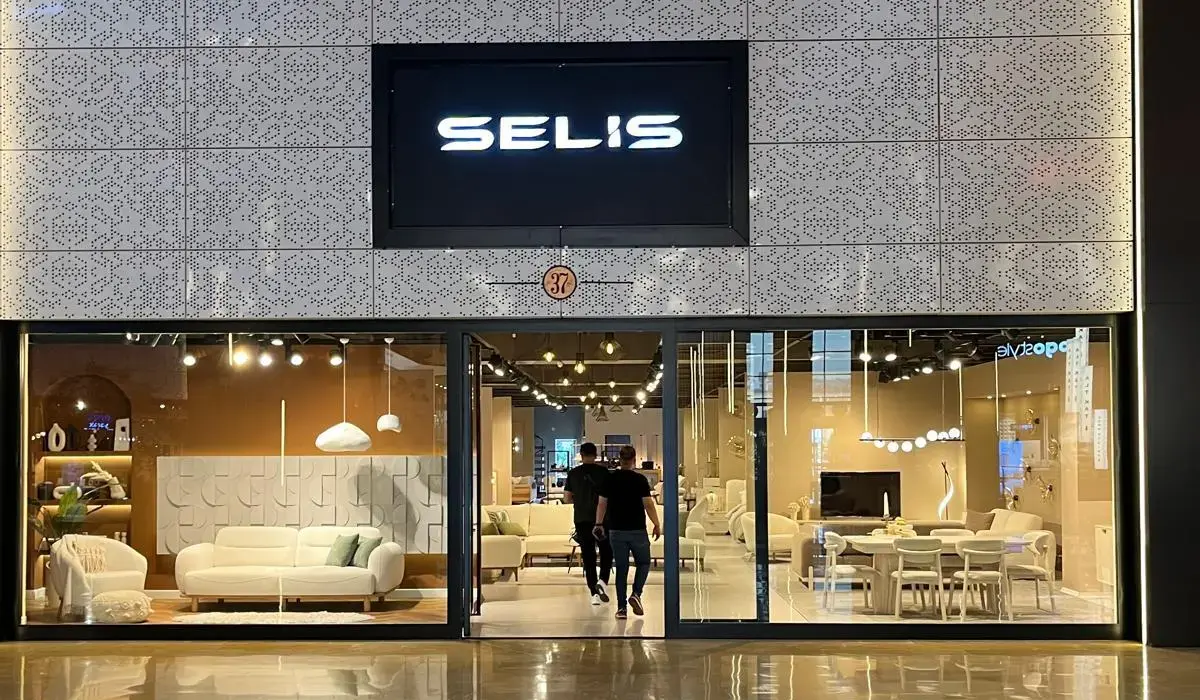
Selishome is the first store at the entrance of Mobiliyum AVM. We have been in the same spot since it opened in 2016. I mention the location not to boast, but because staying there for years is the concrete version of the list above.
Our company name, tax details, the addresses of our three stores and our contact information are all public on our site. Every order comes with a written form. We choose the products ourselves — the fabric, the frame, the foam density. From the order to the assembly, we are the only party you deal with.
Last word
İnegöl is where Turkey's furniture is made. There is no other town where half the people you meet are in this trade and competition is this sharp. That competition pushed both prices and design in the right direction.
In a place like that, the real question is not "is it risky". It is "who am I buying from, and what am I basing that on?"
If this piece made you ask that question, it has done its job.